

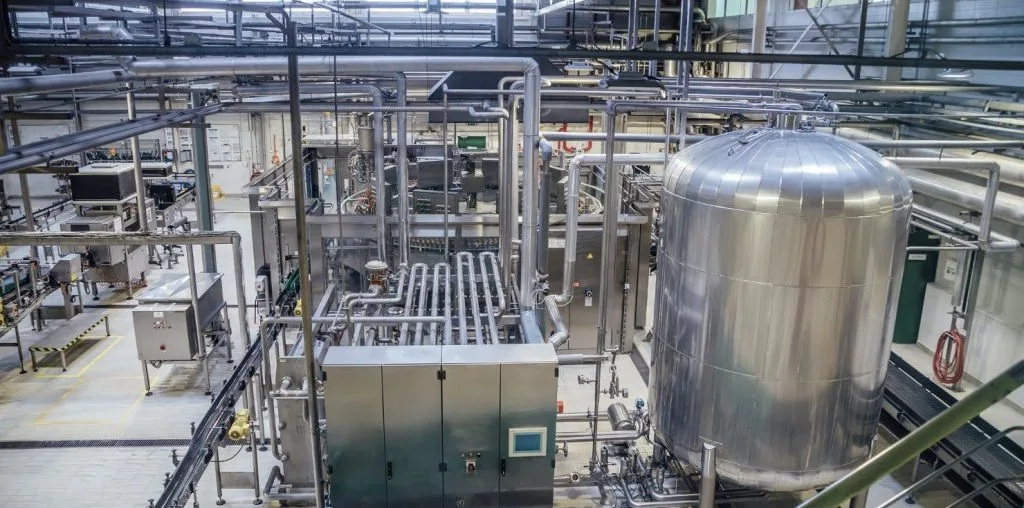
Industry represents one of the fundamental pillars of global economies. It encompasses the production of goods, services, and infrastructure that drives economic growth, employment, innovation, and societal development. From traditional manufacturing to advanced technology sectors, industries shape how nations compete, how markets evolve, and how daily life is structured. Understanding the complexities of industry, its classifications, operational strategies, and challenges is critical for business leaders, policymakers, and professionals across sectors.
The Definition and Scope of Industry
Industry is commonly defined as the organized activity of producing goods or services within an economy. It is more than the mere act of production; it is an interconnected ecosystem of processes, technologies, labor, and markets. Industries transform raw materials into finished products, provide essential services, and support supply chains that reach local and global consumers.
Components of Industry
Industries generally consist of several key components:
- Production Facilities: Factories, plants, or workshops where raw materials are transformed into finished goods.
- Workforce: Skilled and unskilled labor, engineers, technicians, and administrative personnel contributing to operations.
- Technology and Machinery: Tools, machinery, and automated systems that optimize production efficiency.
- Supply Chain: The logistics, procurement, and distribution networks that ensure raw materials reach production sites and finished products reach consumers.
- Regulatory Compliance: Legal and environmental standards that govern operations, safety, and labor practices.
The Role of Industry in Economic Development
Industry is integral to economic growth, serving as a primary driver of productivity and employment. Economies with diverse industrial bases often demonstrate:
- Higher gross domestic product (GDP) contributions.
- Increased export potential and trade opportunities.
- Development of urban infrastructure and transportation systems.
- Opportunities for technological innovation and research.
Classification of Industries
Industries are classified into several categories based on their functions, the nature of production, and the type of output.
Primary Industry
Primary industries involve the extraction and harvesting of natural resources. These industries form the foundation for secondary and tertiary sectors. Examples include:
- Agriculture: Cultivation of crops and livestock production.
- Mining: Extraction of minerals, coal, and precious metals.
- Fishing and Forestry: Sustainable harvesting of fish and timber.
Secondary Industry
Secondary industries focus on processing raw materials into finished goods or semi-finished products. This sector is often referred to as manufacturing. Examples include:
- Automobile Manufacturing: Production of vehicles from steel, plastics, and electronics.
- Textile Industry: Turning fibers into fabrics, garments, and home furnishings.
- Chemical Industry: Manufacturing chemicals, fertilizers, and pharmaceuticals.
Tertiary Industry
Tertiary industries provide services rather than tangible goods. They are crucial for facilitating commerce, education, health, and communication. Examples include:
- Banking and Financial Services: Enabling transactions, loans, and investment management.
- Healthcare Services: Hospitals, clinics, and telemedicine solutions.
- Retail and E-Commerce: Distribution channels that deliver products to consumers efficiently.
Quaternary and Quinary Industries
Advanced classifications recognize knowledge-based and decision-making sectors.
- Quaternary Industry: Focused on intellectual activities, research, and information technology services.
- Quinary Industry: Involves high-level decision-making, government roles, executive management, and specialized expertise.
Industrial Processes and Operational Strategies
The success of an industry depends on optimized processes, efficient management, and strategic planning.
Lean Manufacturing and Operational Efficiency
Modern industries prioritize minimizing waste while maximizing productivity. Core principles include:
- Streamlining production workflows.
- Reducing inventory costs through just-in-time systems.
- Enhancing quality control to reduce defective output.
- Implementing continuous improvement methodologies such as Kaizen.
Technology Integration and Automation
Industry 4.0 has transformed production with digital technologies and smart systems. Key trends include:
- Robotics: Automated machinery enhances precision, speed, and safety in factories.
- Internet of Things (IoT): Connected devices monitor equipment, track resources, and optimize maintenance schedules.
- Artificial Intelligence and Predictive Analytics: AI-driven insights improve supply chain planning and operational efficiency.
- 3D Printing: Enables rapid prototyping, small-batch production, and complex custom designs.
Sustainability in Industry
Modern industries are increasingly accountable for environmental stewardship. Sustainable practices include:
- Energy Efficiency: Transitioning to renewable energy sources and optimizing energy consumption.
- Waste Reduction: Recycling materials, reducing emissions, and adopting circular economy principles.
- Green Certifications: ISO 14001 and other certifications demonstrate compliance with environmental standards.
- Eco-friendly Materials: Using biodegradable, recyclable, or low-impact materials in production.
Industrial Sectors Driving Global Growth
Certain industries have emerged as significant drivers of the global economy, innovation, and employment.
Technology and Information Industry
The technology industry encompasses software development, IT services, and hardware production. It drives innovation and productivity in other sectors. Sub-sectors include:
- Cloud computing and data centers.
- Semiconductor manufacturing.
- Cybersecurity services.
- Software as a Service (SaaS) platforms.
Healthcare and Pharmaceuticals
The healthcare industry ensures public health, drives research, and provides employment. Key components include:
- Pharmaceutical production and distribution.
- Hospital and clinical services.
- Medical devices and biotechnology innovations.
Automotive and Transportation Industry
Transportation and mobility solutions remain essential for global commerce and connectivity. Key areas include:
- Electric vehicle (EV) manufacturing.
- Logistics and shipping.
- Public transportation infrastructure.
Energy and Utilities
Energy production and distribution are vital for powering industrial, commercial, and residential needs. Sub-sectors include:
- Renewable energy sources such as solar, wind, and hydroelectric power.
- Traditional energy production like oil, natural gas, and coal.
- Utilities management including electricity grids and water supply systems.
Consumer Goods and Retail Industry
Consumer-driven industries fuel demand, employment, and global trade. Examples include:
- Packaged foods and beverages.
- Electronics and home appliances.
- Fashion and apparel brands.
Challenges Facing Modern Industries
Industries face numerous challenges that demand adaptive strategies, regulatory compliance, and technological innovation.
Global Competition and Market Volatility
In a globalized economy, companies face competition from international markets, fluctuating demand, and economic instability. Strategies to address this include market diversification and investment in R&D.
Workforce Dynamics and Skill Gaps
Industries require a skilled workforce capable of handling advanced technologies, automation, and analytics. Upskilling programs, vocational training, and partnerships with educational institutions are critical.
Regulatory and Legal Compliance
Industries must adhere to environmental, labor, and trade regulations. Compliance ensures operational sustainability and avoids penalties.
Supply Chain Disruptions
Global events, geopolitical tensions, and natural disasters can disrupt supply chains. Companies mitigate risk through multi-source sourcing, logistics optimization, and inventory management.
Environmental and Ethical Considerations
Industries are under increasing pressure to reduce carbon footprints, manage waste, and operate ethically. Transparent reporting, corporate social responsibility (CSR) initiatives, and ethical sourcing are vital for credibility.
Trends Shaping the Future of Industry
Industries are evolving in response to technological, societal, and environmental shifts. Key trends include:
- Digital Transformation: Automation, AI, and IoT are enhancing efficiency and reducing costs.
- Green Manufacturing: Sustainable operations are becoming a standard requirement for global markets.
- Customization and Personalization: Industries are adapting to meet consumer demands for personalized products and experiences.
- Collaborative Innovation: Partnerships between corporations, startups, and research institutions are accelerating product development.
- Resilience and Risk Management: Industries are prioritizing adaptive strategies to handle economic and operational uncertainties.
Frequently Asked Questions About Industry
Q1: What is the difference between primary, secondary, and tertiary industries?
Primary industries focus on raw material extraction, secondary industries transform these materials into products, and tertiary industries provide services that support and distribute goods to consumers.
Q2: How does technology impact modern industry?
Technology improves efficiency, reduces costs, enhances product quality, and enables advanced analytics for predictive decision-making. Automation, AI, and IoT are key contributors.
Q3: Why is sustainability important in industrial operations?
Sustainability reduces environmental impact, ensures regulatory compliance, attracts socially conscious consumers, and promotes long-term operational efficiency.
Q4: What are the biggest challenges industries face today?
Industries face global competition, workforce skill gaps, regulatory compliance, supply chain disruptions, and increasing pressure to adopt environmentally and ethically responsible practices.
Q5: How can industries remain competitive in a global market?
By investing in technology, diversifying markets, fostering innovation, upskilling employees, and adopting sustainable and efficient production practices.
Q6: What role does industry play in economic development?
Industries drive GDP growth, create employment opportunities, stimulate technological innovation, support urban development, and enable global trade.
Q7: How are industries adapting to Industry 4.0 trends?
Industries are integrating smart automation, AI-driven analytics, IoT-enabled machinery, and digital twins to optimize efficiency, reduce costs, and enhance competitiveness.
Comments are closed.