

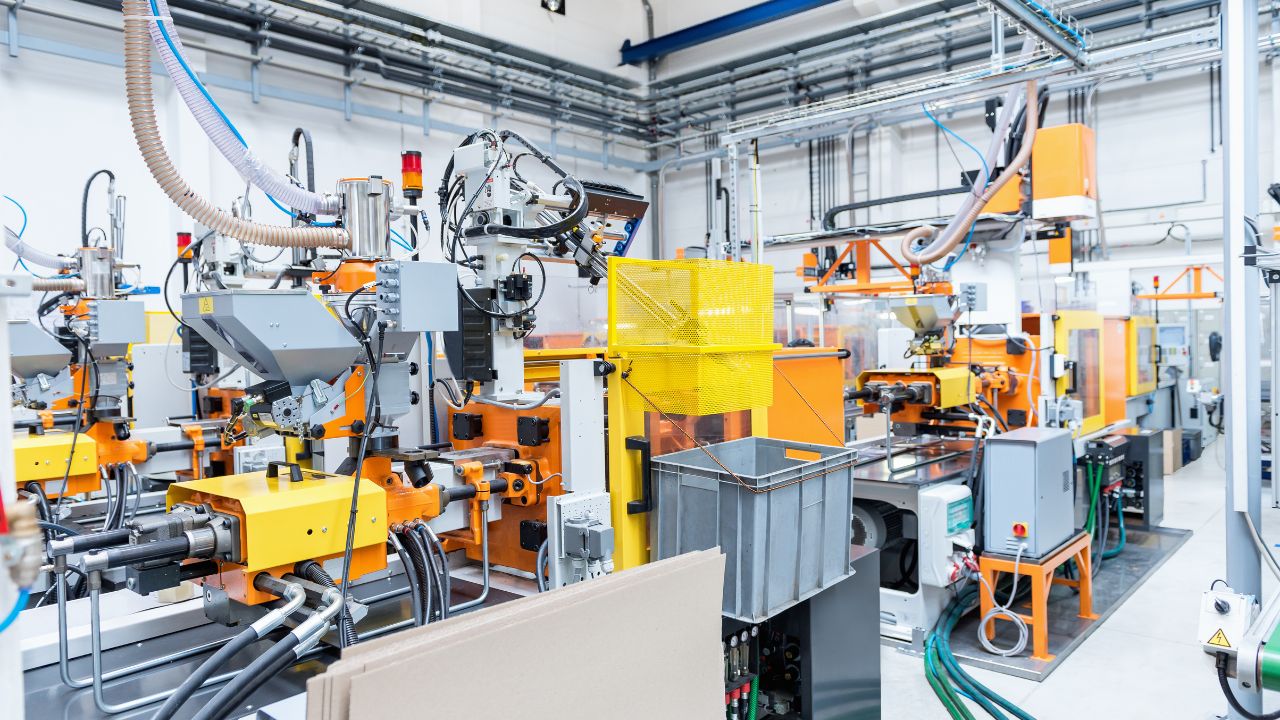
Manufacture is the foundation of industrial economies, enabling societies to transform raw materials into finished products that drive innovation, commerce, and daily life. It is both a craft and a science, involving precise coordination of labor, machinery, technology, and logistics to deliver products that meet consumer needs and regulatory standards. Understanding the manufacturing process, its evolution, and its contemporary challenges is essential for business leaders, engineers, and policymakers alike.
Defining Manufacture
Manufacture refers to the systematic process of producing goods from raw materials through labor, machinery, and technology. Unlike simple handcrafting, modern manufacturing relies on advanced techniques to achieve high efficiency, consistency, and scalability. Manufacturing covers a wide spectrum—from small-scale artisanal production to large industrial operations producing millions of units annually.
Key Components of Manufacturing
Effective manufacturing operations depend on several critical components:
- Raw Materials: The base substances such as metals, plastics, chemicals, or textiles that are transformed into final products.
- Labor Force: Skilled and unskilled workers, engineers, technicians, and operators who execute production tasks.
- Machinery and Equipment: Tools, machines, and automated systems that facilitate precision, speed, and efficiency.
- Processes and Workflow: Standardized steps and procedures that ensure quality, consistency, and timely delivery.
- Supply Chain and Logistics: Coordination of sourcing, transportation, storage, and distribution of raw materials and finished goods.
- Regulatory Compliance: Adherence to safety, environmental, and quality standards, ensuring sustainable and legal operations.
Types of Manufacturing
Manufacturing operations are categorized based on production methods, scale, and the nature of the products.
Discrete Manufacturing
Discrete manufacturing produces distinct items that can be counted, touched, or stored in inventory. Typical examples include:
- Automobiles and vehicles
- Consumer electronics
- Furniture and appliances
This type of manufacturing often relies on assembly lines, robotics, and standardized parts to maintain consistency.
Process Manufacturing
Process manufacturing involves producing goods in bulk using formulas, recipes, or chemical processes. It is common in:
- Food and beverage production
- Pharmaceutical and chemical industries
- Oil refining and petrochemicals
Process manufacturing emphasizes precise control of ingredients, temperature, and chemical reactions to maintain product quality.
Job Shop Manufacturing
Job shop manufacturing is highly flexible and focuses on customized products or small batch production. It is typical for:
- Custom machinery parts
- Specialized equipment
- Prototyping and one-off production
Flexibility is the key in job shop manufacturing, requiring skilled labor and adaptable machinery to meet unique specifications.
This type of production often involves working with specific metals that require specialized handling. For instance, custom aluminium fabrication demands precise temperature control and specific welding techniques to avoid warping the material. Skilled welders must adjust their tools and methods based on the thickness and grade of the metal. These tailored processes ensure that the final components meet exact industrial standards. Many workshops rely on these specialized skills to deliver high-quality parts for local engineering projects.
Continuous Manufacturing
Continuous manufacturing is used in industries requiring uninterrupted production, often with highly automated systems. Examples include:
- Steel and aluminum production
- Cement and building materials
- Chemical and petrochemical processing
This method prioritizes efficiency and minimizes downtime, allowing economies of scale to reduce per-unit costs.
Manufacturing Processes and Techniques
Manufacturing encompasses a wide range of processes that convert raw materials into finished products. Understanding these processes is essential for optimizing production, reducing waste, and improving quality.
Casting and Molding
- Casting: Molten materials, such as metal or plastic, are poured into molds to create desired shapes.
- Injection Molding: Highly precise process for mass-producing plastic parts by injecting molten plastic into molds.
Machining
- CNC Machining: Computer-controlled machines cut, drill, or shape materials with high precision.
- Lathe and Milling Operations: Traditional methods for shaping metals, plastics, and wood components.
Joining and Assembly
- Welding and Soldering: Permanent joining of metal parts through heat or filler materials.
- Fastening: Using bolts, screws, rivets, or adhesives to assemble components.
Forming and Fabrication
- Stamping and Pressing: Shaping metal sheets into required forms using dies and presses.
- Extrusion: Forcing material through shaped dies to produce uniform products like pipes and rods.
Additive Manufacturing
- 3D Printing: Building products layer by layer using digital designs, ideal for prototyping and complex components.
- Selective Laser Sintering: A type of 3D printing that fuses powdered materials using lasers.
The Role of Technology in Modern Manufacturing
Technology has revolutionized manufacturing, creating opportunities for efficiency, precision, and innovation.
Automation and Robotics
Robotics have transformed assembly lines, improving consistency, speed, and safety. Industrial robots handle repetitive or dangerous tasks, reducing errors and workplace injuries.
Internet of Things (IoT)
IoT-enabled manufacturing allows machines and sensors to communicate, monitor performance, and detect anomalies in real-time, leading to predictive maintenance and reduced downtime.
Artificial Intelligence and Machine Learning
AI-driven manufacturing systems optimize production schedules, manage supply chains, and improve quality control by analyzing data from multiple sources.
Digital Twins
Digital twins are virtual replicas of physical production systems. They enable real-time monitoring, testing, and process optimization without disrupting actual operations.
Advanced Materials and Nanotechnology
Manufacturing has embraced new materials such as composites, smart materials, and nanomaterials that offer enhanced strength, durability, or functionality for products in aerospace, electronics, and healthcare sectors.
Manufacturing and Economic Growth
Manufacture plays a central role in economic development and industrialization.
Employment Generation
Manufacturing creates diverse job opportunities, from skilled engineers to factory operators, fostering local economies and workforce development.
Contribution to GDP
Countries with strong manufacturing sectors often enjoy higher GDP contributions, as industrial output stimulates trade, investment, and service industries.
Export and Trade Opportunities
Manufactured goods are a primary source of exports, enhancing foreign exchange earnings and strengthening international trade relationships.
Technological Innovation
Manufacturing drives research and innovation in materials, processes, and machinery, impacting multiple sectors and boosting overall productivity.
Challenges Facing Modern Manufacturing
Despite technological advances, manufacturing faces persistent challenges that demand strategic management.
Global Competition
Globalization has intensified competition, requiring manufacturers to innovate, reduce costs, and improve quality to remain competitive.
Supply Chain Disruptions
Natural disasters, geopolitical tensions, and pandemics can interrupt supply chains. Manufacturers mitigate risks by diversifying suppliers and adopting real-time tracking systems.
Environmental Concerns
Manufacturing often involves high energy consumption, emissions, and waste. Sustainable practices such as renewable energy, waste recycling, and green certifications are critical for long-term viability.
Labor Shortages and Skill Gaps
Rapid technological advancements require a workforce with advanced technical skills. Companies invest in training, apprenticeships, and partnerships with educational institutions to close skill gaps.
Regulatory Compliance
Industries must adhere to labor, environmental, and quality regulations. Compliance ensures legal operations, brand credibility, and public trust.
Trends Shaping the Future of Manufacturing
The manufacturing landscape is evolving with technological, environmental, and consumer-driven trends.
Smart Manufacturing and Industry 4.0
Integration of IoT, AI, and automation enables smart factories with real-time monitoring, predictive maintenance, and optimized workflows.
Sustainable Manufacturing Practices
Manufacturers are prioritizing low-impact operations through energy-efficient processes, circular economies, and eco-friendly materials.
Mass Customization
Consumer demand for personalized products has led to flexible production systems that combine efficiency with customization.
Collaborative Innovation
Partnerships between manufacturers, startups, and research institutions accelerate product development and technological breakthroughs.
Resilient Supply Chains
Manufacturers are building agile supply chains that can adapt quickly to disruptions, maintaining continuity in production and delivery.
Frequently Asked Questions About Manufacture
Q1: What is the difference between manufacturing and production?
Manufacturing is a structured process of transforming raw materials into finished goods using machinery and labor, while production is a broader term encompassing all forms of output creation, including agriculture and services.
Q2: How does technology impact modern manufacturing?
Technology enhances efficiency, precision, and quality. Automation, AI, IoT, and 3D printing enable faster production, real-time monitoring, and innovative product design.
Q3: What are the main types of manufacturing?
The main types are discrete manufacturing, process manufacturing, job shop manufacturing, and continuous manufacturing, each with unique characteristics and production methods.
Q4: Why is sustainability important in manufacturing?
Sustainable manufacturing reduces environmental impact, ensures regulatory compliance, attracts consumers, and lowers long-term operational costs.
Q5: How does manufacturing contribute to economic growth?
It generates employment, contributes to GDP, supports exports, fosters technological innovation, and drives industrialization.
Q6: What are some current trends in manufacturing?
Key trends include Industry 4.0 integration, smart manufacturing, eco-friendly production, mass customization, and resilient supply chains.
Q7: What challenges do manufacturers face today?
Challenges include global competition, supply chain disruptions, environmental concerns, workforce skill gaps, and regulatory compliance.
Q8: How can manufacturers improve efficiency?
By implementing automation, lean production techniques, predictive maintenance, process optimization, and continuous workforce training.
Q9: What role does additive manufacturing play in modern production?
Additive manufacturing, such as 3D printing, allows rapid prototyping, small-batch production, and the creation of complex designs that are difficult with traditional methods.
Comments are closed.