

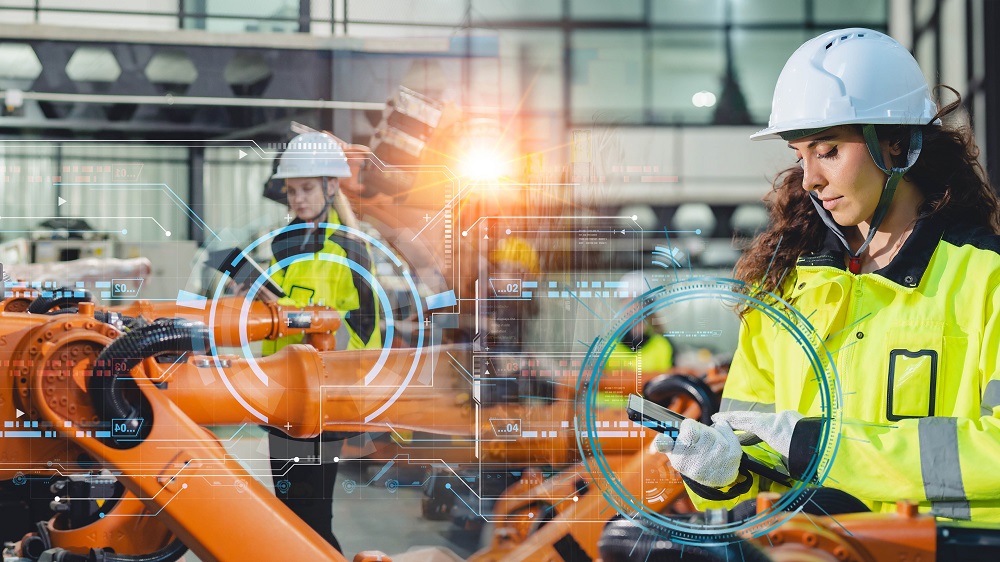
Discussions surrounding the future of industry often focus on automated systems, robotics, computational models, and digital transformation. Narratives in modern media frequently suggest that advanced machinery will inevitably render human labor obsolete. Yet, practical operational reality across the global industrial landscape reveals the opposite trend.
The integration of advanced technology does not eliminate the need for human capability. Instead, it elevates it. The industrial sectors of tomorrow, from advanced manufacturing and precision machining to renewable energy infrastructure and specialized construction, rely on skilled workers. Modern industry requires technicians, artisans, engineers, and tradespeople who combine physical craftsmanship with analytical problem-solving and digital fluency. Skilled workers are the linchpins turning conceptual engineering into tangible progress.
The Evolution of the Modern Skilled Workforce
The definition of skilled labor has evolved over the past several decades. Historically, industrial labor centered on repetitive manual tasks, physical endurance, and adherence to rigid assembly routines. Today, standard automation handles repetitive tasks, freeing human professionals to tackle complex, non-linear responsibilities.
Modern skilled labor represents a convergence of traditional vocational mastery and high-tech operational control:
-
Mechatronics and Systems Integration: Industrial technicians no longer manage only mechanical systems or electrical wiring. They oversee integrated mechatronic setups, diagnosing issues that cross hardware, software, hydraulic, and electronic boundaries.
-
Precision CNC Machining and Additive Fabrication: Machinists today operate as software programmers and materials scientists. They write complex code, calculate thermal expansion coefficients, select advanced alloys, and manage multi-axis CNC mills and industrial 3D printing equipment.
-
Robotics Orchestration and Maintenance: Automation lines require regular setup, tool-path programming, sensor calibration, and unexpected troubleshooting. Skilled robotic technicians ensure automated work cells run efficiently without costly downtime.
-
Data-Informed Diagnostics: Frontline operators analyze real-time data feeds from Internet of Things sensors, using predictive analytics to adjust tolerances and optimize production parameters on the fly.
This technological evolution has transformed vocational trades into advanced technical professions requiring rigorous training, continuous education, and high levels of cognitive engagement.
Bridging the Gap Between Digital Design and Physical Execution
Engineering software, computer-aided design tools, and simulation platforms can model products and infrastructure with high accuracy. However, digital models exist in clean, frictionless virtual environments. The real world presents material imperfections, unpredictable tolerances, dynamic environmental conditions, and logistical hurdles.
Skilled workers turn theoretical models into reliable, real-world assets:
-
Tacit Knowledge and Material Understanding: An experienced welder, toolmaker, or pipefitter understands how different metals react under heat, stress, and atmospheric exposure. This practical intuition cannot be fully captured in software simulations.
-
Real-Time Quality Intervention: While automated inspection cameras identify defects after they occur, seasoned machinists and assembly specialists spot subtle acoustic, vibration, and thermal shifts, correcting problems before parts are ruined.
-
Custom Prototyping and Tooling Design: Building initial prototypes and constructing specialized jigs, fixtures, and molds requires rapid hands-on iteration that standard algorithms cannot replicate without extensive human intervention.
-
Field Adaptability: In large-scale construction, aerospace maintenance, and naval shipbuilding, physical conditions change constantly. Skilled tradespeople make vital on-the-spot adjustments to ensure parts fit properly while meeting strict safety tolerances.
Without this practical translation layer, even the most sophisticated digital designs would struggle to move from blueprint to production.
Driving Innovation Through Frontline Problem Solving
Technological innovation in industry does not originate solely in corporate research laboratories or executive boardrooms. Significant continuous improvement occurs on the factory floor, in the maintenance bay, and at active job sites.
Skilled workers drive bottom-up innovation in several ways:
-
Kaizen and Process Optimization: Frontline operators observe production bottlenecks, material waste, and ergonomic issues directly. Their direct input leads to practical workflow refinements that boost throughput and reduce scrap rates.
-
Tooling and Workflow Adaptation: When encountering unexpected component wear or difficult assembly steps, technicians often design custom shop-floor tools, jigs, and staging protocols that become permanent company standards.
-
Safety Protocol Enhancements: High-risk industries like chemical processing, power generation, and heavy manufacturing rely on the situational awareness of veteran operators to identify hidden safety risks and establish reliable operating guidelines.
-
Feedback Loops for Engineering Teams: When skilled technicians maintain open communication channels with design engineers, they provide vital feedback on design-for-manufacturability, ensuring future product iterations are easier, faster, and more cost-effective to produce.
Empowering frontline workers to contribute to continuous improvement turns an entire production facility into an engine for practical innovation.
Critical Sectors Reliant on High-Skill Technical Labor
As global supply chains regionalize and national infrastructures modernize, the demand for specialized technical talent continues to climb across vital sectors:
-
Advanced Aerospace and Defense: Fabricating turbine blades, assembling composite airframes, and maintaining avionics systems requires exceptional precision, where even microscopic errors can compromise safety.
-
Renewable Energy and Grid Modernization: Constructing wind turbine arrays, installing utility-scale solar farms, and updating legacy electrical grids demands certified high-voltage electricians, power grid technicians, and specialized mechanical riggers.
-
Semiconductor and Cleanroom Manufacturing: Operating wafer fabrication equipment, vacuum systems, and ultra-pure chemical distribution networks requires cleanroom technicians who maintain rigorous operational discipline.
-
Biotechnology and Pharmaceutical Production: Operating high-capacity bioreactors, filtration assemblies, and sterile packaging systems relies on skilled operators trained in strict regulatory compliance and hygiene standards.
-
Modernized Infrastructure and Civil Engineering: Rebuilding bridges, constructing deep-water port facilities, and updating municipal water networks requires heavy equipment operators, commercial divers, and structural ironworkers capable of working in complex environments.
These foundational sectors directly support global economic stability and require a steady pipeline of dedicated, highly trained professionals.
The Urgency of Workforce Development and Apprenticeships
Despite the critical role skilled labor plays in modern industry, many developed nations face a growing technical talent deficit. An aging workforce is retiring faster than new entrants are joining the trades. Decades of prioritizing four-year academic degrees over vocational and technical education have contributed to a noticeable skills gap.
To secure future industrial capacity, industry leaders and educational institutions must modernize their approach to workforce development:
-
Modernized Apprenticeship Models: Combining paid, on-the-job training with structured classroom instruction allows trainees to build real-world competency without accumulating heavy student debt.
-
Secondary School Technical Integration: Reintroducing hands-on technical labs, robotics clubs, and basic manufacturing skills into middle and high schools exposes young students to lucrative technical careers early.
-
Employer-Sponsored Continuing Education: As industrial software and equipment evolve, companies must invest in continuous upskilling programs, cross-training employees on new automation platforms and digital tools.
-
Public-Private Education Partnerships: Community colleges and vocational institutes should partner directly with local manufacturers to develop curricula that match the regional job market.
Treating technical education with the same prestige and financial support as traditional academic programs is essential for building a resilient workforce.
The Symbiosis of Human Expertise and Industrial Technology
The future of industry is not a competition between humans and machines. It is a collaborative partnership. Advanced automation provides speed, power, repeatability, and computational capacity, while human workers contribute adaptability, creative reasoning, spatial judgment, and ethical oversight.
Factories and construction sites that achieve the highest productivity are not those that attempt to automate every task. They are the organizations that equip skilled technicians with the best digital tools, collaborative robotics, and augmented diagnostic systems. In this integrated ecosystem, the skilled worker remains the essential driver of industrial capability, progress, and economic resilience.
Frequently Asked Questions
What is the difference between a traditional blue-collar worker and a new-collar skilled worker?
Traditional industrial roles often focused on manual execution and physical tasks governed by rigid instructions. New-collar skilled workers blend technical craftsmanship with digital literacy, programming capabilities, analytical troubleshooting, and systems management, often developed through apprenticeships or certifications rather than four-year degrees.
How does augmented reality assist skilled tradespeople in industrial settings?
Augmented reality headsets and tablets project interactive wiring schematics, real-time diagnostic readings, and assembly instructions directly onto physical machinery. This enables technicians to complete complex repairs faster, verify assembly steps with high accuracy, and access remote engineering support while keeping their hands free.
Why do automated assembly systems still require human oversight?
Automated systems follow strict programming and struggle with unexpected variations, such as slightly bent brackets, stripped fasteners, or thermal misalignments. Human operators handle these anomalies, clear physical jams, recalibrate sensors, and adjust process parameters to maintain steady production flow.
How are vocational schools updating their curricula for modern industrial needs?
Modern vocational schools are adding courses in programmable logic controllers, industrial networking, Python programming, additive manufacturing, and robotics safety standards alongside foundational training in blueprint reading, machining, and metallurgy.
What career advancement paths exist for skilled tradespeople in advanced manufacturing?
Skilled technicians often advance into roles such as operations supervisor, robotics programmer, quality assurance manager, field service director, or manufacturing engineer. Many also leverage their hands-on operational experience to start specialized contracting businesses or industrial consulting firms.
How does an aging workforce impact industrial knowledge retention, and how can companies manage it?
When experienced tradespeople retire, decades of unwritten, hands-on knowledge can be lost. Companies manage this by establishing formal mentorship programs, recording video-based standard operating procedures, and having veteran technicians review and validate digital training materials before they leave.
What role does safety certification play in the career trajectory of a skilled technician?
Certifications from recognized bodies demonstrate a worker commitment to rigorous operational standards and reduce workplace risk. Technicians with specialized credentials in areas like high-voltage systems, confined-space operations, non-destructive testing, and hazardous materials handling command higher compensation and access broader employment opportunities.
Comments are closed.